
A Sure Proof Way To Sell More Wine To More Millennials
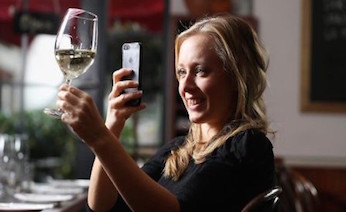 Want to attract millennials to your wine brand? The way to do so is simpler than you think:
Make lower priced wines.
I thought I’d bring up this important point in light of the most recent article on the relationship between millennials and wine that provided the following nuggets:
“They’re [millennials] looking for something that’s got a nice label. Something that’s fun because then they can go to social media, send it out there, then it will be branded. They can get all of their friends to look for it as well….They don’t want to have what their parents have with wine or spirits. They like blends of different varietals….They’re effecting marketing and how you market to them. They don’t trust. They want to know what’s behind the product beyond the substance. Rather than, ‘I should have it because everyone has had it….It changes the types of wines we are making. We are expanding the varieties we are making.”
Every single idea in the above paragraph (with the exception of posting on social media) tracks with what Baby Boomers interacted with wine. Every single one. Including “something fun” (remember critter labels?). Including not drinking what their parents drank (Boomers created the single varietal wine and expanded the American wine palate by embracing Pinot Noir, Merlot, Petite Sirah and every other wine without domestic labels reading “riesling, white chablis, barbaresco and red burgundy). Boomers also demanded far more wine info than their parents had and they got it from the Wine Spectator and Wine Enthusiast and from numerous wine newsletters including Robert Parker’s Wine Advocate…oh, and the Internet too.
But the single most important difference between Boomers and Millennials where wine is concerned is money. Today, Millennials make 20% less than their parents did at the same age and there is no reason to believe this unfortunate trend won’t continue.
And it’s this trend that I think will most challenge those wineries that are depending upon selling ultra-premium wines direct from the winery as well as retailers that stock high-end California, French, and Italian wines. When Millennials reach their peak earning years in about a decade or so, they won’t have the same amount of disposable income as Boomers and even Gen Xers did at the same age.
For the likes of Napa Valley and Bordeaux and Burgundian producers what this dip in income will likely mean is that they will either have to reduce their output while keeping pricing and price inflation consistent with what it has been, or they will not be able to take the kind of price increases they have over the past 20 years. No matter how you look at it, this means lower revenues for the high-end producers.
I don’t see Millennials changing the practical interactions between consumers and wine. They will still buy most of their wine at the grocery store and at bars and restaurants the same way Boomers and GenXers have. Those in the upper middle and upper-income range will still sate their desires for lifestyle by venturing off to wine country for a visit and tasting adventure.
Millennials, when they are in their peak earning years, will certainly buy more wine on digital platforms, but that trend isn’t something driven by Millennials per se as it is driven by technological development.
Finally, I’m convinced that Millennials will be drinking the same wines that Boomers and GenXers drank. Those who are serious or semi-serious about wine will gravitate toward classic Bordeaux varietals, Pinot Noir, Chardonnay, while at the same time gravitating away from the Red Blends they are so fond of today. Those Red Blends that have jumped in popularity lately are nothing more than a stand-in for the sweet wines that young, inexperienced drinkers always used to make wine palatable in the beginning before moving on to the drier stuff. Think Bartles & James, Yellow Tail and even Annie Green Springs.
The unknown in these predictions about Millennials and wine are technology and the economy. Anyone who wants to make predictions about the way technology will change logistics in 20 years is nothing more than an entertainer. Who knows how technology will develop and impact who wine is moved and sold?
Economically, we find ourselves right now in the midst of a credit bubble. It’s looking more and more difficult to see how we can move away from the consequences of cheap money. The severity of those consequences could be significant and could impact the economy in ways that are not friendly. If that happens, well, how and what Millennials buy won’t be too important.
____________________________
SUBSCRIBE TO FERMENTATION over there on the right.


Here’s an idea: how about using the back label of California generic “Red Blend” wines to break-out of the grape varieties used?
Introducing Millennials to those grapes can serve as the segue for them to try Zinfandel or Grenache or Syrah on its own.