
Beer Drinkers More Experimental Than Wine Drinkers?
 Are beer enthusiasts more experimental with their alcohol consumption than wine enthusiasts? It may seem like an academic question but not for spirit producers or cider producers. For these two category of drinks the answer to the questions would dictate at which kind of drinker they would aim their marketing.
One answer to this question—a definitive one—came from an article detailing the sharp rise in hard cider sales and the impressive growth by one Washington cidery, Tieton Cider Works. Consider…
“While the production of cider is similar to wine, craft beer drinkers are embracing the product…’When you’re a wine drinker, (you) tend to drink a particular type of wine….Deviating to something like cider is not done. Beer drinkers, on the other hand, are open to exploring.’ “
Needless to say, I disagree with this. I’m not a beer drinker. Even in my younger days when alcohol consumption usually boiled down to what was easiest to get, I made an effort to find Jack Daniels rather than beer. The taste just generally doesn’t appeal to me and never has.
Last Saturday I co-hosted a cider seminar in Sonoma County where we put five very different craft ciders in front of a crowd of people and evaluated them the same way we would wine: Appearance, aroma, body, flavor, finish. It was a fascinating even that was held at Tilted Shed Ciderworks‘ new tasting room. You’d swear that we were at a wine tasting.
But despite these personal anecdotes, it doesn’t answer the question as to whether or not beer or wine enthusiasts are more ecumenical in their drinking.
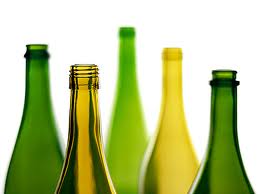
What’s interesting about the world of hard cider is that you can tell how a cidery answers this question by looking at how they bottle their product. Those who are looking to beer drinkers to attract will bottle their ciders like beer. Those cider producers who think wine lovers are more likely to appreciate their product will bottle their ciders in 750 ml. bottles or champagne-style bottles. I’ve now tasted and reviewed almost 100 ciders at The Cider Journal and though I’ve not tallied it up, I’d bet I found those bottled like wine more appealing to my palate. I wonder if I’m swayed by the bottle style.


MOnday night, at a WINE tasting, one of the participants was a winemaker who also makes cider and beer. We got to talking about how quickly the beer market is moving in creating new styles, new blends, collaborations between breweries, etc.
After some chat about whether wine will eventually go off in the multiple directions that craft beer has done, we concluded that some will but that the process will necessarily be much slower for two very good and impossible to overcome reasons.
–Wine of the type he makes and we drink costs $20 per bottle and up with lots of $50 and up bottles. Beer costs $5 to $10 for the fanciest craft beers and as little as $2 a bottle for some very good and interesting variants from folks like Firestone and Sierra Nevada.
–Beer experiments and variants can be made at almost any time in the year and be ready for market in weeks or months. Wine (and cider) can only be made once per year. And while cider comes to market sooner than most (not all) wines, many wines wait a year to three or four years to see the light of day.
So, cost constraints and timing necessities mean that wine, in particular, will have a very had time mimicking the craft beer markets, and even for those who do try, it will take them longer to get there.
Wine drinkers are not less experimental. They simply face a different set of opportunities and constraints in their ability to be experiemental.